Someone is halfway through a decision. About to abandon it.
I find out why people drop out of websites and apps, then redesign them so more of them finish.
Are you going to stop here?
You won't. Leaving something half-done costs more than finishing it. That's not willpower. It's a bias, and it's the one your funnel is already using without knowing it.
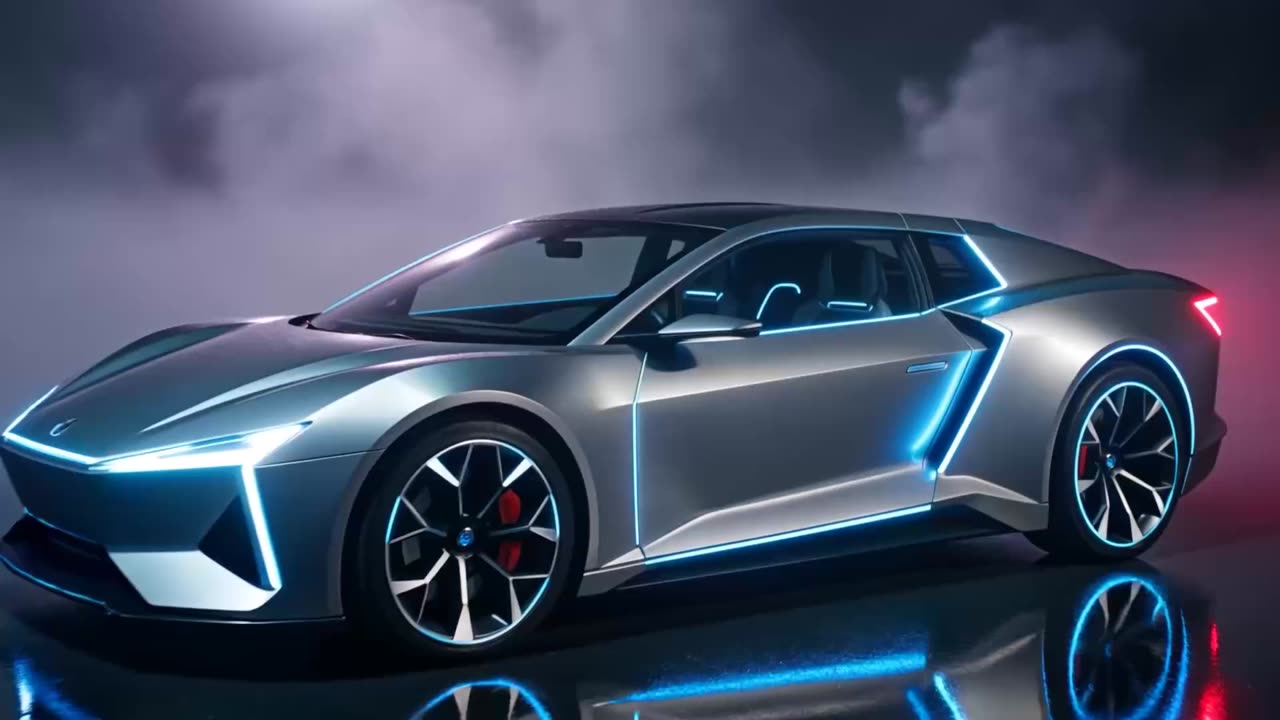
01 Work · Automotive
Keeping car buyers informed between order and delivery.
Context
A car maker's post-purchase experience was generating detractors even when every delivery arrived on time. Nobody could explain the gap between operations and sentiment.
Role
With one other designer, I ran the research and we designed the validation prototype. Mystery research at dealerships across three countries mapped the real communication chain.
Finding
Sales specialists were the entire communication infrastructure. Nothing else existed. The problem wasn't the wait. It was the silence around it.
Outcome
Validated with buyers: 73% wanted it, 70% engaged with the prototype. Never built. The organisation wasn't ready, and several premium competitors have since built versions of it.
Redesigning a beauty retailer's app and site so shoppers come back.
Context
A beauty retailer's app was optimised to search, buy, leave. That suppressed the browsing behaviour the business actually runs on.
Role
With two other designers, I ran the audit, the benchmark, research across sixteen participants, and turned it into a prioritised roadmap and the wireframes for a new navigation model.
Outcome
Strategy and wireframes delivered, now being shipped. Early results are positive. Solid numbers need more time.
Redesigning a bank's account opening so more people finish it.
Context
A bank's account-opening funnel lost people at every step. Part of it was the design, and fixing that came first. Once the screens were clear, they weren't ready to hand over sensitive data yet.
Role
With one other designer, I led the analysis and the redesign of the first six steps. Instead of removing steps, I lowered the perceived cost of each one, reframing what every step felt like it was asking for.
Result
+6.52% funnel starts · +2.36% continuity in the tests. A year later, from the bank's own analytics: +28.84% more users completing the flow and +14.12% better conversion.
Two more cases, a shopping-centre engagement strategy and an AI-assisted way of working, live in the conversation. Ask the assistant ›
Method
First make sure it's understood. Then work on the decision.
Bad design and a lack of real-life testing can stop people for plain reasons, so that gets fixed first. Once the design is properly understood, what's left is the decision: is it worth it? That happens somewhere a screen recording can't reach, and that's where I spend most of my time.
Read
Every decision point gets checked against three things: can the person act, do they want to, does the moment allow it. Where one breaks, that's the drop-off, and it's rarely where the funnel report points.
Context
Around that sits the economic, temporal, social and emotional state someone is actually in. A checkout at 11pm on a phone in a hurry is a different product than the same checkout on a Tuesday morning.
Scale
Analytics, SEO, benchmark and qualitative research usually sit in four documents nobody cross-references, so the findings that only appear between sources never get found. I built a pipeline that cross-references them during diagnosis, not after, with a specialist validating before anything becomes a conclusion.
I've been writing this down as I go. Seven layers between a first action and a habit, from the first hesitation to the behaviour someone no longer thinks about. A working framework, and how I think whether a client sees it or not.
About
The medium changed. The mind didn't.
Before product, I ran an art gallery on cruise ships. Five years, four languages, hundreds of auctions at sea. Nobody buys the painting. They buy who they believe they are in the moment you show it to them. Same job, different room.
Contact
Let's find out where your users stop.
Antonia Evtimova. Strategic Product Designer. Madrid, working remotely · EN ES FR BG
I'm Antonia Evtimova, a strategic product designer. I find out why people drop out of websites and apps, then redesign them so more of them finish: sign up, buy, book.
01 Work · Automotive
Keeping car buyers informed between order and delivery.
Context. A car maker's post-purchase experience generated detractors even when every delivery arrived on time. Role. With one other designer, ran the research and designed the validation prototype together. Mystery research at dealerships across three countries. Finding. Sales specialists were the entire communication infrastructure. The problem was the silence, not the wait. Outcome. Validated with buyers (73% wanted it, 70% engaged). Never built: the organisation wasn't ready.
02 Work · Retail
Redesigning a beauty retailer's app and site so shoppers come back.
Context. The app was optimised to search, buy, leave. That suppressed the browsing the business runs on. Role. With two other designers, ran the audit, the benchmark, research across sixteen participants, and turned it into a roadmap and wireframes for a new navigation model. Outcome. Strategy and wireframes delivered, now being shipped. Early results are positive. Solid numbers need more time.
03 Work · Banking
Redesigning a bank's account opening so more people finish it.
Context. A bank's account-opening funnel lost people at every step. Once the design was clear, they still weren't ready to hand over sensitive data. Role. With one other designer, led the analysis and redesign of the first six steps, lowering the perceived cost of each step instead of removing steps. Result. +6.52% funnel starts · +2.36% continuity in the tests. A year later: +28.84% more users completing the flow, +14.12% better conversion. More. Two further cases, a shopping-centre engagement strategy and an AI-assisted way of working, are in the conversation at the home page.
Method
Seven layers between a first step and a habit.
Problem. Four disciplines, four documents, nobody cross-referencing them. What I built. A diagnosis pipeline that cross-references all four. Heuristic analysis roughly 2.5× faster, with more sources, not fewer. Guardrail. A specialist reviews before anything becomes a conclusion.
About
The medium changed. The mind didn't.
Before product, I ran an art gallery on cruise ships. Five years, four languages, hundreds of auctions at sea. Nobody buys the painting. They buy who they believe they are in the moment you show it to them.
Contact
Let's find out where your users stop.
Antonia Evtimova. Strategic Product Designer. Madrid, working remotely · EN ES FR BG